CraveBalance Helping You Build a Stronger Healthier and M - Andaman & Nicobar Islands - Port Blair ID1649789
Offering about 3 months ago - Bars - Disco - Night Clubs - Port Blairn/a

Details
Crave: Understanding the Diverse Landscape of Wellness Brands
Online (Exclusive Offers on Official Website)
The wellness industry has grown into one of the most dynamic and lucrative sectors of the global economy, with consumers spending billions annually on dietary supplements, nutrition coaching, and lifestyle products. Within this crowded marketplace, brand names often overlap or share similar terminology, creating genuine confusion for shoppers trying to make informed decisions about their health.
The word "Crave" is a case in point — it appears across multiple distinct product lines and service businesses, each operating in a different niche of the health and wellness space. From appetite-control supplements to liquid herbal tinctures, from affiliate-marketed variety packs to bespoke nutrition coaching programmes, the "Crave" family of brands spans a surprisingly wide spectrum of offerings.
This document explores each of these entities in detail, helping consumers and industry observers understand what they are actually purchasing, who stands behind each product, and how to navigate this complex landscape with confidence and clarity.
Wellness Industry AnalysisConsumer GuideUK & US Markets
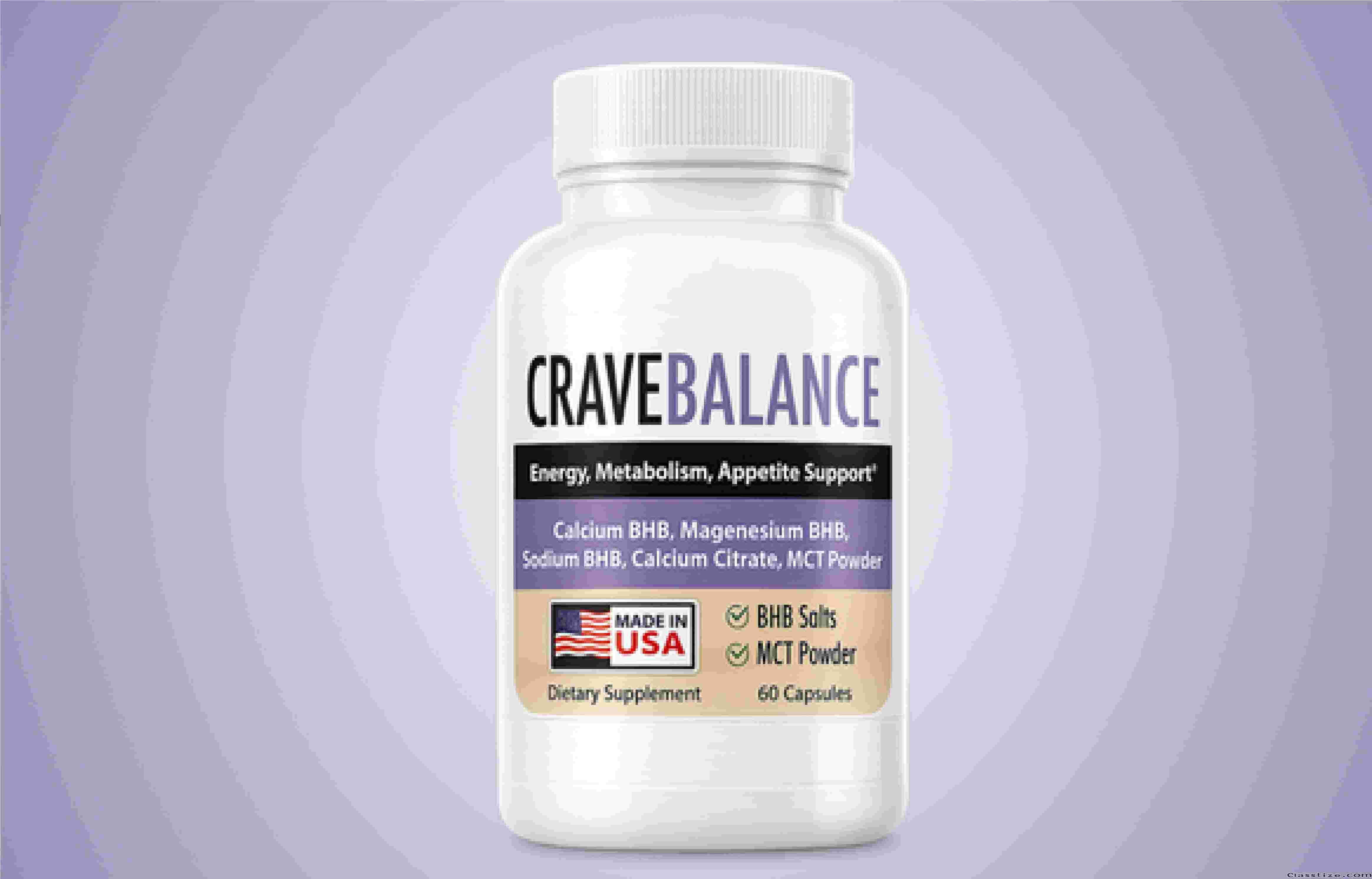
The Variety Pack: Cravebalance Dietary Supplements
Online (Exclusive Offers on Official Website)
Cravebalance represents one of the most commercially visible entries in the "Crave" brand family, operating primarily as a direct-to-consumer (DTC) dietary supplement brand in the United States market. The product is marketed as a variety pack — a bundled collection of supplements designed to address multiple wellness concerns simultaneously, with a particular emphasis on weight management and appetite control support. This bundling strategy is a common tactic in the DTC supplement space, as it increases average order value while giving consumers the perception of a comprehensive, all-in-one solution to their health goals.
Cravebalance has gained notable traction within affiliate marketing networks, particularly on platforms such as OfferVault, which serves as a marketplace connecting advertisers with affiliate publishers. The presence of Cravebalance on such networks indicates a performance-marketing-driven business model, where the brand relies heavily on third-party affiliates to drive traffic and conversions through paid social, search advertising, and native content placements. This approach can be highly effective for scaling sales quickly, but it also means that consumers may encounter Cravebalance through a wide variety of channels — some of which may present the product with varying degrees of accuracy and transparency.
The pricing structure for Cravebalance typically ranges from $39.99 to $64.99 per unit, depending on the specific bundle configuration and any ongoing promotional offers. This price point positions Cravebalance in the mid-range of the DTC supplement market — more expensive than basic over-the-counter options found in supermarkets, but generally more affordable than premium clinical-grade formulations sold through healthcare practitioners. For consumers, this pricing tier often signals a product that is positioned as accessible yet aspirational, appealing to health-conscious individuals who are willing to invest in their wellbeing without necessarily seeking medical-grade interventions.
Distribution Channel
Direct-to-consumer sales model, primarily through affiliate marketing networks such as OfferVault, reaching US-based customers via digital advertising campaigns.
Primary Focus
Weight management and appetite control support, marketed as part of a holistic wellness routine rather than a standalone medical treatment.
Pricing Tiers
Ranging from $39.99 to $64.99 per unit, with bundle options designed to encourage larger purchases and improve perceived value for consumers.
It is important for consumers to understand that Cravebalance, like most dietary supplements in this category, is not regulated as a medicine. In both the US and UK markets, such products fall under food supplement regulations, which means they are not subject to the same rigorous pre-market clinical testing requirements as licensed pharmaceutical products. While this does not necessarily indicate that the product is ineffective or unsafe, it does mean that consumers should approach marketing claims with a critical eye and consult healthcare professionals when making significant changes to their dietary or supplement regimes.
Crave Nutrition: Coaching and Education
Online (Exclusive Offers on Official Website)
Crave Nutrition operates in an entirely different category from Cravebalance, representing a service-based business rather than a physical product line. Led by CEO Cori of Crave Bespoke Nutrition, this brand is built around the philosophy of structured nutritional coaching that avoids the pitfalls of restrictive dieting. The approach is grounded in the belief that sustainable health outcomes are achieved not through deprivation, but through education, behavioural change, and a healthier relationship with food. This distinction is significant for consumers who may be confused by the shared "Crave" naming convention — Crave Nutrition is a coaching and education service, not a supplement manufacturer.
The core methodology of Crave Nutrition centres on what the brand describes as the seven pillars of healthy living and metabolic balance. These pillars form a comprehensive framework that addresses multiple dimensions of wellbeing, including nutrition, sleep, stress management, physical activity, hydration, mindset, and community or social connection. By taking a holistic approach rather than focusing solely on calorie restriction or macronutrient tracking, Crave Nutrition positions itself as a more sustainable and psychologically healthy alternative to conventional diet programmes. This philosophy aligns with a growing body of research suggesting that long-term weight management and metabolic health are best supported by lifestyle-based interventions rather than short-term dietary restrictions.
One of the flagship resources offered by Crave Nutrition is the Crave Nutrition Book, which serves as both an educational tool and a coaching companion for individuals seeking to improve their relationship with food. The book covers topics such as intuitive eating, emotional hunger versus physical hunger, the role of stress and cortisol in appetite regulation, and practical strategies for building lasting healthy habits. For consumers who prefer a self-guided approach, the book offers a structured entry point into the Crave Nutrition methodology without the need for one-on-one coaching sessions.
The Seven Pillars
· Nutrition & dietary balance
· Sleep & recovery
· Stress management
· Physical activity
· Hydration
· Mindset & behaviour
· Community & support
Key Offering
Crave Nutrition Book — a comprehensive guide to relationship-with-food coaching and metabolic balance.
For consumers navigating the broader "Crave" brand landscape, understanding the distinction between Crave Nutrition and the supplement-based brands is essential. Crave Nutrition offers a human-led, education-first approach to health that cannot be replicated by a pill or tincture. While supplements may play a supportive role in a wellness routine, the coaching and behavioural guidance provided by Crave Nutrition addresses the root causes of unhealthy eating patterns in a way that products alone cannot. This makes Crave Nutrition a particularly relevant option for individuals who have struggled with yo-yo dieting or who are seeking a more sustainable, long-term approach to their health goals.
Craveva: Liquid Organic Wellness
Online (Exclusive Offers on Official Website)
Craveva occupies a unique position within the "Crave" brand family, distinguished by its format, ingredient profile, and specific health claims. Unlike the bundled variety packs of Cravebalance or the coaching services of Crave Nutrition, Craveva is a specialised liquid tincture formulated using eight certified organic herbs. The product is designed to target two specific physiological mechanisms that are commonly associated with difficulty managing weight and appetite: cortisol-driven cravings and blood sugar spikes. By addressing these underlying factors, Craveva positions itself as a more targeted intervention than general-purpose weight management supplements.
The use of certified organic herbs is a significant differentiator for Craveva in a market where many supplements rely on synthetic or non-organic ingredients. Organic certification provides consumers with assurance that the herbs used in the formulation have been grown without synthetic pesticides, herbicides, or genetically modified organisms. This appeals particularly to health-conscious consumers who are mindful not only of what they ingest, but also of the environmental and agricultural practices behind the products they purchase. The eight-herb blend is reportedly designed to work synergistically, with each herb contributing a specific function to the overall formula — whether that be blood sugar regulation, cortisol modulation, or appetite suppression.
One of Craveva's most prominent marketing claims is its positioning as a stimulant-free alternative to traditional fat burners. Many conventional fat-burning supplements rely on stimulants such as caffeine, synephrine, or yohimbine to increase metabolic rate and suppress appetite. While these ingredients can be effective in the short term, they are associated with side effects including jitters, elevated heart rate, anxiety, and disrupted sleep. Craveva's stimulant-free formulation aims to provide similar benefits — namely, reduced cravings and better blood sugar management — without these adverse effects, making it suitable for individuals who are sensitive to stimulants or who prefer to avoid them for personal or medical reasons.
8 Certified Organic Herbs
A proprietary blend of organically grown botanicals, each selected for its specific role in supporting metabolic balance and appetite regulation.
Cortisol & Blood Sugar Focus
Targets the hormonal and glycaemic drivers of cravings, rather than relying solely on appetite suppression or metabolic stimulation.
Stimulant-Free Formula
An alternative to traditional fat burners, designed for individuals who are sensitive to caffeine or prefer to avoid stimulant-based supplements.
5× Faster Absorption
Liquid tincture format claimed to offer significantly faster bioavailability compared to standard capsule-based supplements.
The claim of 5× faster absorption compared to standard capsules is rooted in the pharmacological principle that liquid formulations generally have higher bioavailability than solid dosage forms. When a supplement is consumed in liquid form, it does not need to be broken down by the digestive system in the same way as a capsule or tablet, potentially allowing active compounds to enter the bloodstream more rapidly. While this claim is plausible from a pharmacological standpoint, consumers should note that the actual degree of improved absorption can vary depending on the specific compounds involved and individual digestive physiology. As with all supplement claims, it is advisable to look for independent verification or clinical evidence where available.
Regulatory Context: Over-the-Counter Supplements
Online (Exclusive Offers on Official Website)
Understanding the regulatory framework that governs dietary supplements is essential for any consumer navigating the wellness market. Products labelled as Crave weight loss pills — including those in the Cravebalance and Craveva lines — are generally classified as food supplements rather than licensed medicines. This distinction has significant implications for the level of scrutiny these products undergo before reaching consumers, the types of claims manufacturers are permitted to make, and the recourse available to consumers if a product does not perform as advertised or causes adverse effects.
UK Regulatory Framework
In the United Kingdom, food supplements are regulated by the Food Standards Agency (FSA), not by the Medicines and Healthcare products Regulatory Agency (MHRA), which oversees licensed medicines. This means that supplement manufacturers are not required to demonstrate clinical efficacy or safety through the same rigorous pre-market approval processes that pharmaceutical companies must follow. Instead, supplements must comply with general food safety regulations, and manufacturers are responsible for ensuring their products are safe and accurately labelled.
The FSA does maintain certain restrictions on the types of health claims that can be made about food supplements, governed by the EU Nutrition and Health Claims Regulation (which continues to apply in UK law post-Brexit). Manufacturers cannot claim that a supplement treats, cures, or prevents disease — such claims would reclassify the product as a medicine and require MHRA approval. However, general wellbeing and nutritional support claims are permitted, which is why many supplement brands use language such as "supports healthy weight management" rather than "causes weight loss."
Common Ingredients
· Glucomannan — a dietary fibre that expands in the stomach
· Green tea extract — rich in catechins and caffeine
· Caffeine — a stimulant with thermogenic properties
· Chromium — a mineral involved in blood sugar regulation
· Garcinia cambogia — a tropical fruit extract
· Raspberry ketones — aromatic compounds from raspberries
Clinical Evidence
Most over-the-counter weight loss supplements lack rigorous clinical trials demonstrating sustained efficacy. Consumers should be cautious of products that promise rapid or effortless results.
The lack of rigorous clinical trials for sustained weight loss efficacy is one of the most significant concerns in the supplement industry. While some individual ingredients — such as glucomannan — have been supported by peer-reviewed research for specific functions like appetite suppression, the evidence base for complete supplement formulations is often much weaker. Manufacturers frequently rely on studies of individual ingredients rather than testing their specific product combinations, which means that the efficacy of the final product may not be well-established. Consumers should be particularly wary of supplements that promise rapid, dramatic, or effortless weight loss, as these claims are rarely supported by robust scientific evidence and may indicate a product that is either ineffective or potentially unsafe.
In the UK, always check whether a product is registered as a food supplement with the FSA or as a licensed medicine with the MHRA. This distinction determines the level of regulatory oversight the product has undergone and the types of claims the manufacturer is legally permitted to make.
Market Positioning: Affiliates and Advertising
Online (Exclusive Offers on Official Website)
The marketing strategies employed by Crave-branded products — particularly Cravebalance — reflect the broader trends in direct-to-consumer supplement advertising. These brands rely heavily on high-intent marketing channels, including paid social media advertising, search engine marketing, and native advertising placements on content websites. The goal of this approach is to reach consumers at the moment they are actively searching for solutions to their health concerns, whether that be weight management, appetite control, or general wellness support. By appearing in front of consumers who have already expressed interest in these topics, these brands can achieve higher conversion rates than traditional broad-reach advertising.
Affiliate marketing plays a central role in the distribution strategy for many Crave-branded products. Affiliate programmes typically operate on a performance basis, meaning that publishers and content creators are compensated only when they drive a specific action — such as a sale, a lead submission, or a click-through to the brand's website. In the case of Cravebalance and similar products, affiliate programmes often focus on legitimate conversion points like credit card (CC) submits, where a consumer completes a purchase transaction. This model incentivises affiliates to create compelling, accurate content that drives genuine consumer interest, rather than relying on misleading or sensationalist claims that might generate clicks but result in high refund rates or regulatory scrutiny.
Paid Social Advertising
Online (Exclusive Offers on Official Website)
Targeted campaigns on platforms such as Facebook, Instagram, and TikTok, reaching consumers based on their interests, behaviours, and search history related to health and wellness.
Search Engine Marketing
Pay-per-click advertising on Google and other search engines, capturing high-intent consumers who are actively searching for weight management or appetite control solutions.
Native Advertising
Sponsored content placements on health, wellness, and lifestyle websites, designed to blend seamlessly with editorial content and reach engaged, niche audiences.
Affiliate Networks
Performance marketing networks such as OfferVault manage these campaigns as DTC events, connecting brands with a wide network of affiliate publishers to maximise reach and conversions.
Importantly, reputable affiliate programmes in this space enforce strict prohibitions against false celebrity endorsements, fabricated testimonials, or scam language. The use of fake celebrity endorsements — where a supplement brand falsely claims that a well-known public figure endorses or uses their product — has been a persistent problem in the supplement industry, leading to regulatory action and consumer harm. Legitimate brands and their affiliate networks typically have clear guidelines prohibiting such practices, and consumers should be wary of any advertisement that relies on celebrity imagery or testimonials that seem too good to be true. Performance marketing networks that manage these campaigns as DTC events are generally subject to platform policies and advertising standards that further constrain misleading or deceptive marketing practices.
Product Differentiation Summar
Online (Exclusive Offers on Official Website)
Given the shared "Crave" naming convention across multiple brands and product lines, consumers can easily become confused about what they are purchasing and from whom. The table below provides a clear, side-by-side comparison of the four primary entities within the Crave brand family, highlighting their distinct product types, target audiences, distribution channels, and key characteristics. Understanding these differences is the first step towards making informed purchasing decisions and avoiding the frustration of buying a product that does not align with one's actual needs or expectations.
Brand
Product Type
Primary Market
Key Differentiator
Format
Cravebalance
Dietary Supplement
US (DTC)
Variety pack bundle
Capsules / Tablets
Crave Nutrition
Coaching Service
Global (Digital)
Seven-pillar methodology
Book / Coaching
Craveva
Herbal Tincture
Global (DTC)
Organic, stimulant-free
Liquid Drops
Crave Burner
Appetite Supplement
US / UK
Appetite control focus
Capsules
Cravebalance, as noted in earlier sections, is a bundled variety pack designed for retail purchase through direct-to-consumer channels. Its primary appeal lies in the convenience of a multi-product bundle and its positioning as an accessible entry point into the supplement market. Crave Nutrition, by contrast, is a service-based business that offers diet coaching and nutritional education through a structured methodology. The two could theoretically complement each other — a consumer might use Cravebalance supplements while also working with a Crave Nutrition coach — but they are fundamentally different types of offering and should not be conflated.
Craveva: Specialised Liquid Tincture
Craveva stands apart from the other brands due to its liquid format and its specific focus on cortisol-driven cravings and blood sugar spikes. The use of certified organic herbs and a stimulant-free formula makes it a distinctive option for consumers who prefer natural, plant-based interventions. Its liquid tincture format also differentiates it from the capsule-based formulations of Cravebalance and Crave Burner, potentially offering faster absorption and greater flexibility in dosing.
Crave Burner: Appetite Control Category
Crave Burner represents a separate category within the Crave brand family, focused specifically on appetite-control supplements. While it shares some conceptual overlap with Cravebalance in terms of weight management positioning, Crave Burner appears to be marketed as a more targeted, single-purpose product rather than a comprehensive variety pack. Consumers should carefully review the ingredient lists and marketing claims of each product to understand which best aligns with their specific health goals and any medical considerations.
Consumer Safety and Awareness
Online (Exclusive Offers on Official Website)
Navigating the wellness supplement market requires a degree of consumer literacy that goes beyond simply reading product labels. The sheer volume of products available, combined with aggressive marketing tactics and sometimes ambiguous regulatory frameworks, means that consumers must take an active role in educating themselves before making purchasing decisions. The following guidelines represent essential safety considerations for anyone considering Crave-branded products or similar supplements in the weight management and appetite control category.
Verify Product Classification
Always verify whether a product is classified as a food supplement or a licensed medicine. In the UK, this distinction determines whether the product has been assessed by the MHRA (for medicines) or falls under the less stringent FSA regulations (for food supplements). Licensed medicines have undergone rigorous clinical testing for safety and efficacy, whereas food supplements have not. This does not mean that all supplements are unsafe, but it does mean that consumers should not assume the same level of regulatory assurance as they would with a prescribed medication.
Be Cautious of Extraordinary Claims
Be deeply sceptical of marketing claims involving rapid, effortless, or guaranteed weight loss. The human body is complex, and sustainable weight management is rarely achieved through a single product or intervention. Claims that a supplement can produce dramatic results without dietary changes, physical activity, or behavioural modification should be treated as red flags. Legitimate health brands typically present their products as part of a broader lifestyle approach rather than as a standalone solution.
Consult Healthcare Professionals
Before starting any new dietary supplement regime, consult with a qualified healthcare professional — such as a GP, registered dietitian, or pharmacist. This is particularly important for individuals with pre-existing medical conditions, those who are pregnant or breastfeeding, and those who are taking other medications. Some supplement ingredients can interact with prescription drugs or exacerbate certain health conditions, and a healthcare professional can provide personalised guidance based on your individual circumstances.
Distinguish Services from Products
Be clear about whether you are purchasing a physical product (such as a supplement or tincture) or a service (such as nutrition coaching). These are fundamentally different types of offering, with different expectations, pricing structures, and outcomes. A coaching service like Crave Nutrition cannot be substituted for a supplement, and vice versa. Understanding what you are buying — and what it can realistically deliver — is essential for setting appropriate expectations and avoiding disappointment.
If a supplement causes any adverse effects — including nausea, dizziness, rapid heartbeat, or unusual fatigue — discontinue use immediately and seek medical advice. Report any adverse reactions to the relevant regulatory authority (FSA in the UK, FDA in the US) to help protect other consumers.
Navigating the Brand Space
Online (Exclusive Offers on Official Website)
Beyond individual product safety, consumers must also develop the skills to navigate the broader brand landscape with confidence. The wellness industry is characterised by a high degree of brand proliferation, with new products and companies entering the market constantly. Some brands are owned and operated by reputable companies with transparent business practices, while others may be operated by entities with limited accountability or unclear ownership structures. Developing the ability to research and evaluate brands critically is an essential consumer skill in the modern wellness market.
Research Brand Ownership
Before purchasing any Crave-branded product or service, take the time to research the company behind it. Look for information about the company's ownership, leadership team, and business history. Reputable companies are typically transparent about who they are and where they are based. Be cautious of brands that provide minimal information about their corporate structure or that appear to change names or ownership frequently, as this can be a sign of a business attempting to distance itself from past controversies or regulatory issues.
Check Ingredient Transparency
For any ingestible supplement, ingredient transparency is non-negotiable. Legitimate supplement manufacturers provide full ingredient lists on their product labels and websites, including the specific quantities of each active ingredient (not just a "proprietary blend" with no disclosed amounts). Look for products that have been third-party tested for purity and potency, and check whether the manufacturer follows Good Manufacturing Practice (GMP) standards. These indicators suggest a commitment to quality and accountability that goes beyond the minimum regulatory requirements.
Use Official Company Websites
When purchasing Crave-branded products, always use the official company website or authorised retailers to avoid the risks associated with unauthorised resellers. Products purchased from third-party marketplaces or unknown websites may be counterfeit, expired, or improperly stored, all of which can compromise their safety and efficacy. Official websites also provide the most up-to-date product information, ingredient lists, and customer support resources.
Seek Evidence-Based Guidance
For long-term health and metabolic goals, prioritise evidence-based guidance over marketing-driven recommendations. This means seeking information from peer-reviewed scientific literature, registered healthcare professionals, and reputable health organisations rather than relying solely on product marketing materials or influencer endorsements. Evidence-based guidance may be less exciting than the promises made in supplement advertisements, but it provides a far more reliable foundation for making decisions about your health.
Build a Personalised Wellness Strategy
Rather than relying on a single product or brand to address all of your health concerns, consider building a personalised wellness strategy that may include a combination of dietary changes, physical activity, stress management, and — where appropriate — targeted supplementation. A holistic approach that addresses multiple dimensions of health is far more likely to produce sustainable results than any single product, regardless of how compelling its marketing claims may be.
Conclusion: Informed Decisions in the Wellness Market
Online (Exclusive Offers on Official Website)
The "Crave" brand family illustrates a broader truth about the modern wellness industry: brand names can span multiple distinct niches, product categories, and business models, often with little operational connection between them. Cravebalance, Crave Nutrition, Craveva, and Crave Burner each represent a different approach to health and wellness — from bundled supplement packs to coaching services, from liquid herbal tinctures to appetite-control capsules. For consumers, understanding these clear delineations is not merely an academic exercise; it is a practical necessity for making informed, safe, and effective decisions about their health.
Distinguish Coaching from Products
Recognise that Crave Nutrition is a service-based coaching business, fundamentally different from the supplement products offered under the Cravebalance, Craveva, and Crave Burner names. Each requires a different type of investment, commitment, and expectation.
Prioritise Safety Over Marketing
When evaluating any wellness product, prioritise clinical efficacy and safety over aggressive marketing claims. A product that promises rapid, effortless results should always be approached with caution and verified against independent evidence.
Align with Personal Goals
Understanding the distinctions between these brands ensures better alignment with your personal health goals. Whether you need coaching, a supplement, or a combination of both, clarity about what each brand offers will help you make the right choice for your circumstances.
The wellness market will continue to evolve, with new products, brands, and marketing strategies emerging constantly. Consumers who develop the skills to research, evaluate, and critically assess health products and services will be best positioned to navigate this landscape successfully. This means asking the right questions — Who makes this product? What evidence supports its claims? Is it appropriate for my individual health circumstances? — and seeking answers from reliable, independent sources rather than relying solely on marketing materials.
"The most powerful tool a consumer has in the wellness market is not any single product or supplement — it is informed, critical thinking. Understanding what you are buying, from whom, and on what evidence, is the foundation of every good health decision."
Ultimately, the goal of this document is to empower consumers to approach the Crave brand family — and the broader wellness market — with clarity, confidence, and caution where appropriate. The health and wellness journey is deeply personal, and the right approach will vary from individual to individual. What remains constant is the importance of making decisions based on accurate information, professional guidance, and a clear understanding of one's own health goals and circumstances. By applying the principles outlined in this document, consumers can navigate the complex landscape of Crave-branded products and services with the knowledge and awareness needed to make choices that truly serve their wellbeing.
#cravebalance #weightloss #weightlossjourney #fitness #healthylifestyle #health #motivation #healthy #weightlosstransformation #workout #fitnessmotivation #diet #healthyfood #gym #nutrition #fatloss #healthyeating #fit #slimmingworld #weightlossmotivation #exercise #fitfam #transformation #bodybuilding #healthyliving #fitnessjourney #keto #personaltrainer #lifestyle #wellness #food
Cravebalance
https://www.healthtruenews.com/get_Cravebalance
When you call, don't forget to mention that you found this ad on CLASSTIZE.COM
I am Offering Category is Health and Lifestyle Type is Bars - Disco - Night Clubs Ad placed in Port Blair